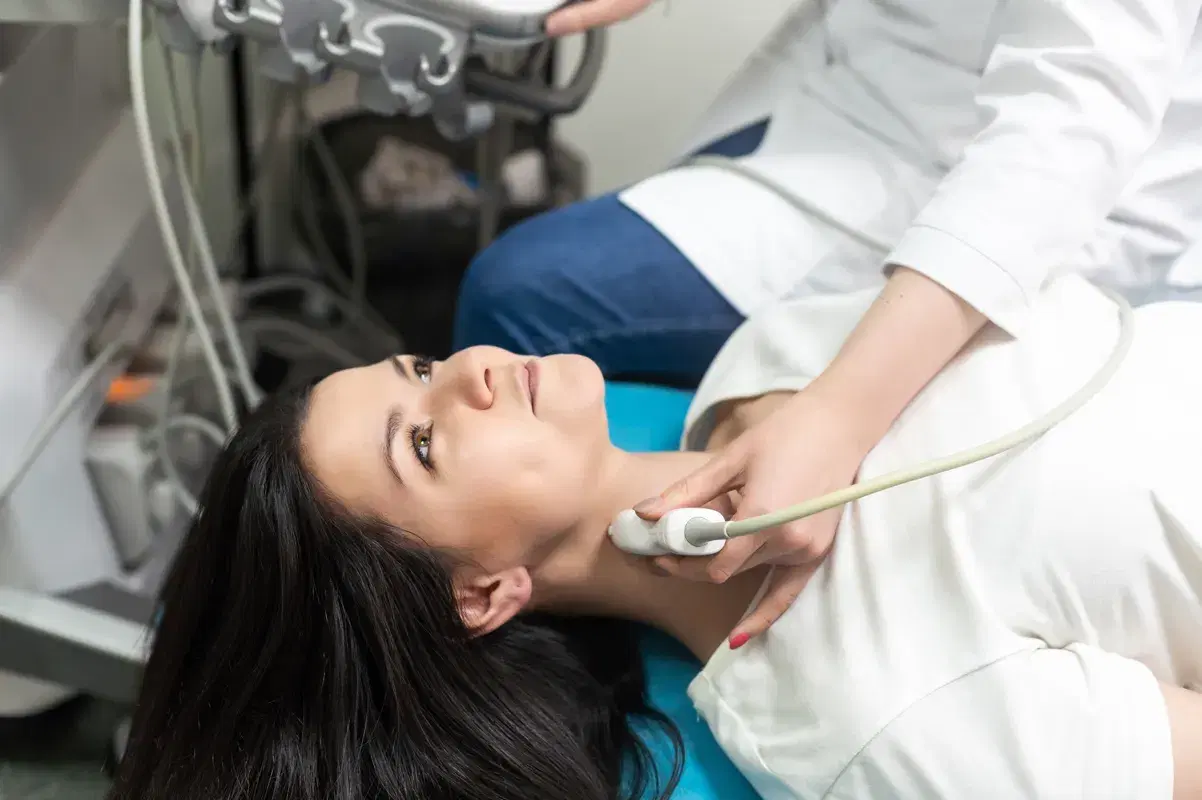
2025 Vascular Technology Education Program (VTEP)
0% Complete
Course Overview
Course Content
Credits
* AMA PRA Category 1 Credit™ is designated for and awarded to physicians. Non-physician healthcare professionals, including physician assistants, nurse practitioners, and sonographers may participate in activities accredited for AMA PRA Category 1 Credit™; their respective credentialing and professional organizations independently recognize such participation toward their own continuing education requirements. Organizations that accept AMA PRA Category 1 Credit™-accredited courses toward non-physician CE include ARDMS, CCI, and Sonography Canada.
Course Details
- Duration
- 20.00 hours
- Released
- Jun 5, 2025
- Last Review
- Jun 5, 2025
- Expires
- Jun 5, 2028
Objectives
Master vascular anatomy, flow dynamics, and scanning protocols across all vascular beds.
Accurately apply velocity criteria and waveform interpretation for disease classification.
Perform IAC compliant protocols and documentation for all major vascular exams.
Prepare confidently for RVT, RVS, or other vascular credentialing exams.
Reduce injury risk and improve scanning longevity with ergonomic best practices.
Target Audience
Registered or credentialing technologists expanding their vascular skillset.
Students, new grads, or technologists cross training in vascular ultrasound.
Faculty & Disclosure
Faculty
Angela Rodriquez Wong MD, RVT, RPVI
Joseph P. Hughes, MBA, BSHA, RVT, RVS, RPhS, NVS, FSVU
Peony Lam, BS, RDMS, RDCS, RVT
Rick Dubin, AAS-DMS, RVT, RDMS
Disclosure
Accreditation
The Institute for Advanced Medical Education is accredited by the Accreditation Council for Continuing Medical Education (ACCME) to provide continuing medical education for physicians.
The Institute for Advanced Medical Education designates this enduring material for a maximum of 20.00 Credits. Physicians should only claim credit commensurate with the extent of their participation in the activity.
Sonographers: These credits are accepted by the American Registry for Diagnostic Medical Sonography (ARDMS), Sonography Canada, Cardiovascular Credentialing International (CCI), and most other organizations.
For information on the applicability and acceptance of continuing education credit for this activity, please consult your professional licensing board or other credentialing organization.